Strand on the Green Chiswick bulky rubbish removal guide
Posted on 08/08/2026
If you live in Strand on the Green, you already know the area has its own rhythm: narrow residential streets, riverside calm, period homes, and the occasional awkwardly large item that suddenly feels impossible to move. This Strand on the Green Chiswick bulky rubbish removal guide is here to make the whole process simpler. Whether you are clearing an old sofa, a broken wardrobe, renovation leftovers, or a pile of mixed household waste, the goal is the same: get it out safely, legally, and with as little stress as possible.
Truth be told, bulky waste is one of those jobs people put off for weeks. It sits in the hallway, the shed, or the spare room, getting in the way every day. But once you understand the options, the process becomes much more manageable. In this guide, you will find practical steps, local considerations, common mistakes, and a clear way to decide what makes sense for your home, your schedule, and your budget. If you want the broader service picture as well, it can help to skim the services overview and the main waste removal in Chiswick information alongside this guide.
Expert takeaway: The best bulky rubbish removal plan is usually the one that matches the type of waste, the access to your property, and how quickly you need the space back. Simple as that.

Why Strand on the Green Chiswick bulky rubbish removal guide Matters
Bulky rubbish removal sounds straightforward until you are actually standing next to a dismantled bed frame, a water-damaged chest of drawers, or a stack of broken office chairs wondering how on earth it all leaves the house. In Strand on the Green, that matters even more because homes can be tight on storage, parking can be awkward, and access is not always friendly to heavy lifting. One wrong move and you are dealing with scratched walls, strained backs, or a waste pile that has become part of the furniture.
This guide matters because bulky items are not just "big rubbish." They often need a different approach from day-to-day bin waste. Materials may be mixed, items may need dismantling, and some things require special handling if they contain electrical parts, upholstery, or sharp components. That is why a bit of planning saves time later. It also helps you avoid the classic end-of-day panic where you realise the item is too heavy, too wide, or too awkward for a normal vehicle. We have all seen that moment. Not ideal.
It also matters for appearance and liveability. A cluttered front room, hallway, or garden makes the whole place feel smaller and more stressful. If you are preparing a home for sale, letting, refurbishment, or even just a calmer week, clearing bulky rubbish can make an immediate difference. For homeowners thinking more broadly about property value and presentation in the area, related reading like evaluating Chiswick's appeal for residents and Chiswick real estate investments may also be useful context.
How Strand on the Green Chiswick bulky rubbish removal guide Works
At its simplest, bulky rubbish removal is the process of identifying large items, deciding what can be reused or separated, and then arranging lawful disposal or recycling through the right route. The practical steps usually look like this:
- Identify the bulky items and note their condition.
- Check whether anything can be donated, repaired, or passed on.
- Separate hazardous or restricted materials from general bulky waste.
- Measure access points such as doors, stairwells, and tight corners.
- Choose the removal method that suits the size and urgency of the job.
- Arrange collection, loading, and disposal in one clean sweep.
That might sound simple, but the details matter. A sofa with removable legs is a very different job from a built-in wardrobe or a heap of building offcuts. Likewise, a first-floor flat on a narrow road needs a different approach from a ground-floor house with a side return. The better you understand the shape of the job, the easier it is to avoid delays on the day.
Many people in Strand on the Green combine bulky rubbish removal with wider decluttering. That makes sense. If you are already clearing a room, you may as well remove the broken lamp, old carpet offcuts, unused shelving, and that mysterious box in the corner. One tidy pass often beats three half-jobs.
If the bulky waste is part of a larger clearance, the pages on house clearance in Chiswick and office clearance can help you think about the bigger picture.
Key Benefits and Practical Advantages
There are a few clear reasons people choose structured bulky rubbish removal instead of trying to manage it piecemeal.
- Less physical strain: Heavy furniture and awkward waste can be risky to move without proper handling.
- Faster room recovery: You get usable space back much sooner, which matters if guests, buyers, tenants, or tradespeople are expected.
- Cleaner disposal: A good removal process separates items for recycling where possible and reduces unnecessary landfill.
- Fewer access problems: Professionals know how to move items through awkward hallways, tight staircases, and small entrances.
- Lower stress: Let's face it, a clear plan is calmer than trying to improvise on a Saturday morning with a borrowed van and three pairs of gloves.
There is also a small but real psychological benefit. When bulky clutter disappears, the room often feels lighter immediately. You hear your own footsteps again. You can open a door properly. The place stops looking like a temporary storage unit and starts feeling like home again. That sounds dramatic, but people notice it straight away.
For anyone trying to reduce overall waste and make better decisions about what leaves the property, the site's recycling and sustainability page is worth a look. It complements a removal plan nicely, especially if you are trying to keep the process sensible and responsible.
Who This Is For and When It Makes Sense
This guide is for anyone in Strand on the Green who has large, awkward, or heavy items to remove. That includes homeowners, landlords, tenants, executors, shop owners, and people in the middle of a life change. Bulky rubbish removal is especially helpful when:
- you are replacing furniture and need the old pieces out fast;
- you have finished a renovation and need offcuts, boards, or old fixtures removed;
- you are clearing a property after a move, bereavement, or long-term tenancy;
- you are preparing rooms for decorating or listing a home;
- you have mixed rubbish that will not fit into normal bin collections.
It also makes sense if the item is technically movable but not realistically movable by one person. That includes wardrobes, mattresses, dismantled desks, exercise equipment, filing cabinets, and heavy garden furniture. If it feels like a two-person job, it probably is.
Some readers in the area are also dealing with a bigger transition: moving overseas, combining households, or sorting inherited belongings. In those cases, bulky rubbish removal is often only one part of the process. Articles such as how to declutter for a big move overseas, preparing your home for an overseas relocation, and handling inherited items can help with that wider decision-making.
Step-by-Step Guidance
Here is the most practical way to handle bulky rubbish removal without making the job harder than it needs to be.
1. Walk through the property first
Start with a calm, room-by-room check. Make a short list of every large item and decide what is staying, what is going, and what needs dismantling. This is where people often discover hidden extras, such as broken side tables or old blinds, tucked behind furniture. Annoying? Yes. Helpful to spot early? Also yes.
2. Separate reusable items from waste
If something is still in decent condition, consider whether it could be donated, sold, or passed on to family. Not everything needs to become waste. Even one saved chair or shelf makes the process more efficient. If you are unsure what to keep in circulation and what to let go, the page on options for family members' stuff is a useful mindset check.
3. Identify special items
Some bulky items need a bit more care. Mattresses, electrical furniture, and items with mixed materials may not be handled the same way as plain timber furniture. If you are dealing with builders' leftovers, the specific guidance on builders waste disposal in Chiswick can be especially helpful.
4. Clear access routes
Before collection day, move smaller items out of the way. Check whether there is space near the front door, gate, or driveway. If access is tight, measure it. It sounds basic, but that one five-minute check can save a lot of awkward shuffling later. And yes, it is the sort of thing people forget when they are in a rush.
5. Choose the right removal method
Depending on the amount and type of waste, you may need a one-off collection, a larger clearance, or a mixed waste solution. If you are also dealing with outdoor waste, the related garden waste removal in Chiswick page can help if your job includes branches, soil bags, or old garden furniture.
6. Confirm what will be removed
Be specific. "Old furniture" is a little vague. "One sofa, one double mattress, two bedside tables, and three bags of mixed household junk" is better. The clearer you are, the smoother the collection tends to go. No drama, no guessing.
7. Keep proof and paperwork tidy
If your removal involves a contractor, keep any confirmation, quote, or written agreement together. It keeps expectations aligned and helps avoid those small misunderstandings that somehow grow bigger by the end of the day.
Expert Tips for Better Results
A good bulky rubbish removal job is not just about lifting things. It is about reducing friction.
- Disassemble before collection where safe: Removing legs, shelves, or doors can turn a bulky problem into a much easier load.
- Bundle similar materials together: Wood with wood, metal with metal, mixed waste separately. It often speeds up sorting.
- Check what is hidden inside furniture: It sounds obvious, but drawers, cabinets, and ottomans hide all sorts of surprises.
- Plan around parking and access: In residential parts of Strand on the Green, access can be the real challenge, not the lifting itself.
- Think in zones: Clear one room, then another. Do not scatter items all over the place trying to "organise" them. That becomes chaos very quickly.
If you are preparing a property for moving day, sale, or occupation, try clearing the heaviest items first. It opens up the space and makes the rest of the work feel lighter. Honestly, it changes the mood of the whole house.
For readers who are planning a broader property move or review, these related articles can give useful context: your roadmap to buying real estate in Chiswick and an insider's look at this tranquil suburban spot.
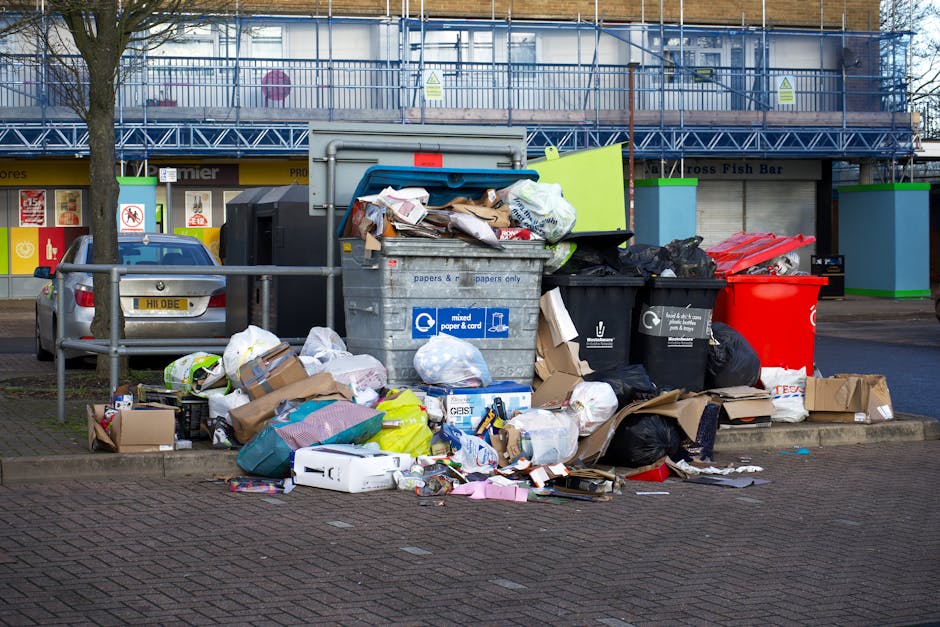
Common Mistakes to Avoid
Most bulky waste headaches come from a few avoidable habits.
- Leaving it too late: A last-minute clear-out always feels harder than it should. Time pressure makes every item heavier, somehow.
- Assuming every item can go together: Not all bulky waste is treated the same way. Mixed loads need more care.
- Forgetting access limits: A van may be nearby, but if the route from front door to vehicle is awkward, the job slows down.
- Ignoring potential reuse: Throwing away perfectly usable items can be wasteful and unnecessary.
- Not checking what needs special handling: Some items include components that should not simply be added to a general pile.
- Underestimating the volume: One room of "junk" can turn into more than one load, especially once you start sorting.
A lot of people also make the mistake of trying to do everything in one go without preparing the path first. That sounds efficient. It rarely is. You end up moving the same item twice, then three times. Nobody enjoys that.
Tools, Resources and Recommendations
You do not need fancy equipment to prepare for bulky rubbish removal, but a few basic tools help a lot:
- work gloves for safer handling;
- a tape measure for doors, stairways, and large furniture;
- basic tools for dismantling, such as a screwdriver or hex key set;
- labels or sticky notes to mark what is staying and what is going;
- strong sacks or boxes for smaller mixed items grouped beside bulky waste.
For planning support, it also helps to use a simple room-by-room list. Kitchen, living room, bedroom, loft, shed, garage. Tick each area off once it is done. Nothing glamorous. But it works.
If your clear-out is linked to business premises, the page on office clearance Chiswick may be relevant. For shops and high-footfall premises, the local guide to rubbish collection for shops on Chiswick High Road offers useful context too.
And if the job is more customer-facing or location-specific, the article on rubbish collection near Chiswick House and Gunnersbury Park may be worth a glance for local movement and access considerations.
Law, Compliance, Standards, or Best Practice
When dealing with bulky rubbish in the UK, the most sensible approach is to make sure waste is transferred to an appropriate, authorised party and handled responsibly. You do not need to be a compliance expert to do this well, but you do need to avoid careless disposal. Fly-tipping, unsafe storage, and uncontrolled dumping can create problems for everyone involved.
Best practice usually includes:
- keeping waste separate where possible;
- checking that the collection route is clear and safe;
- making sure any contractor follows sensible handling and disposal processes;
- not mixing restricted items with general waste without checking first;
- keeping written confirmation of arrangements when useful.
If safety matters to you, as it should, it is also worth looking at the site's insurance and safety information. For broader service expectations and terms, the pages on terms and conditions, privacy policy, payment and security, accessibility statement, and modern slavery statement support the trust side of the picture.
That trust side matters. You want a removal process that is tidy, lawful, and transparent. Not mysterious. Not rushed. Not a van arriving with no plan and a lot of shrugging.
Options, Methods, or Comparison Table
There is no single best way to remove bulky rubbish. It depends on speed, volume, item type, and whether you want help with lifting and loading. Here is a simple comparison to help you decide.
| Method | Best for | Pros | Watch-outs |
|---|---|---|---|
| Self-move and disposal | A few light-to-medium items | Can be low-cost if you already have transport | Heavy lifting, access issues, and time-consuming sorting |
| Mixed bulky collection | Several household items or awkward loads | Convenient, quicker, less physical effort | Needs clear item descriptions and access planning |
| Full house or room clearance | Large declutters, moves, probate, or end-of-tenancy jobs | Most efficient for bigger projects | Best arranged with a clear inventory and priorities |
| Specialist builders waste removal | Renovation debris and construction leftovers | Handles heavier, messier material types well | Needs proper separation from household rubbish |
If you are dealing with a property that needs to be emptied quickly, a fuller clearance is often the least stressful route. If you only have one or two things, a targeted collection may be enough. It really comes down to whether you want a quick fix or a proper reset.
Case Study or Real-World Example
A typical Strand on the Green scenario goes like this. A family has finished redecorating the upstairs rooms and suddenly has an old sofa, two wardrobes, a broken chest of drawers, a mattress, and a few bags of mixed clutter sitting in the hallway. The hallway is narrow. The front path is tight. Parking is limited. And the job, at first glance, feels bigger than expected.
Rather than trying to move everything one item at a time over several days, they sort the waste into three groups: reusable, bulky rubbish, and small mixed items. The wardrobes are checked and partially dismantled, the mattress is separated, and the smaller bits are bagged together. Access is cleared the night before, and the route from front room to vehicle is measured so nobody is improvising on the day.
The result? Fewer delays, fewer scratches, and a much calmer morning. The room looks bigger immediately, the decorators can start sooner, and the family avoids that awkward "we'll deal with it later" pile that tends to linger for months. Not a dramatic story, just a real one. And those are usually the most useful.
Another common example is an older resident clearing a spare room after years of storage. Some items are kept for family, some are not worth saving, and some are simply too awkward to move alone. In those cases, a careful clearance plan can feel like a weight lifting off the house, not just the furniture.
Practical Checklist
Use this checklist before bulky rubbish removal day.
- List every bulky item you want removed.
- Separate reusable items from waste.
- Remove drawers, shelves, cushions, or loose parts where possible.
- Measure doors, stairs, and tight corners.
- Check access for loading and parking.
- Group items by type: wood, metal, upholstery, mixed waste.
- Set aside anything that should not be taken away with general bulky rubbish.
- Take photos if you want a clearer inventory for planning.
- Keep paths clear inside and outside the property.
- Confirm timing, payment, and any special instructions.
If you are unsure whether your job is bulky waste, household clearance, or something more specialist, the rubbish collection Chiswick page can help frame the options, while the about us page gives a better sense of the company approach and standards.
Conclusion
Bulky rubbish removal in Strand on the Green does not need to be complicated. Once you identify the items, plan the access, separate what can be reused, and choose the right removal method, the whole job becomes far more manageable. What feels like a frustrating pile at 8 a.m. can be cleared, sorted, and out of the way by lunchtime with the right approach.
The main thing is not to treat bulky waste like a simple bin day job. It deserves a little more thought. A little more care. And usually, a little more space than you first expected.
Get a free quote today and see how much you can save.
And if you are part-way through a bigger change, take it one room at a time. That is usually enough. One room, one load, one clear floor at a time. Feels better already.

 Tipper Van - Rubbish Removal and Rubish Collection Prices in Chiswick, W4
 Luton Van - Rubbish Removal and Rubish Collection Prices in Chiswick, W4